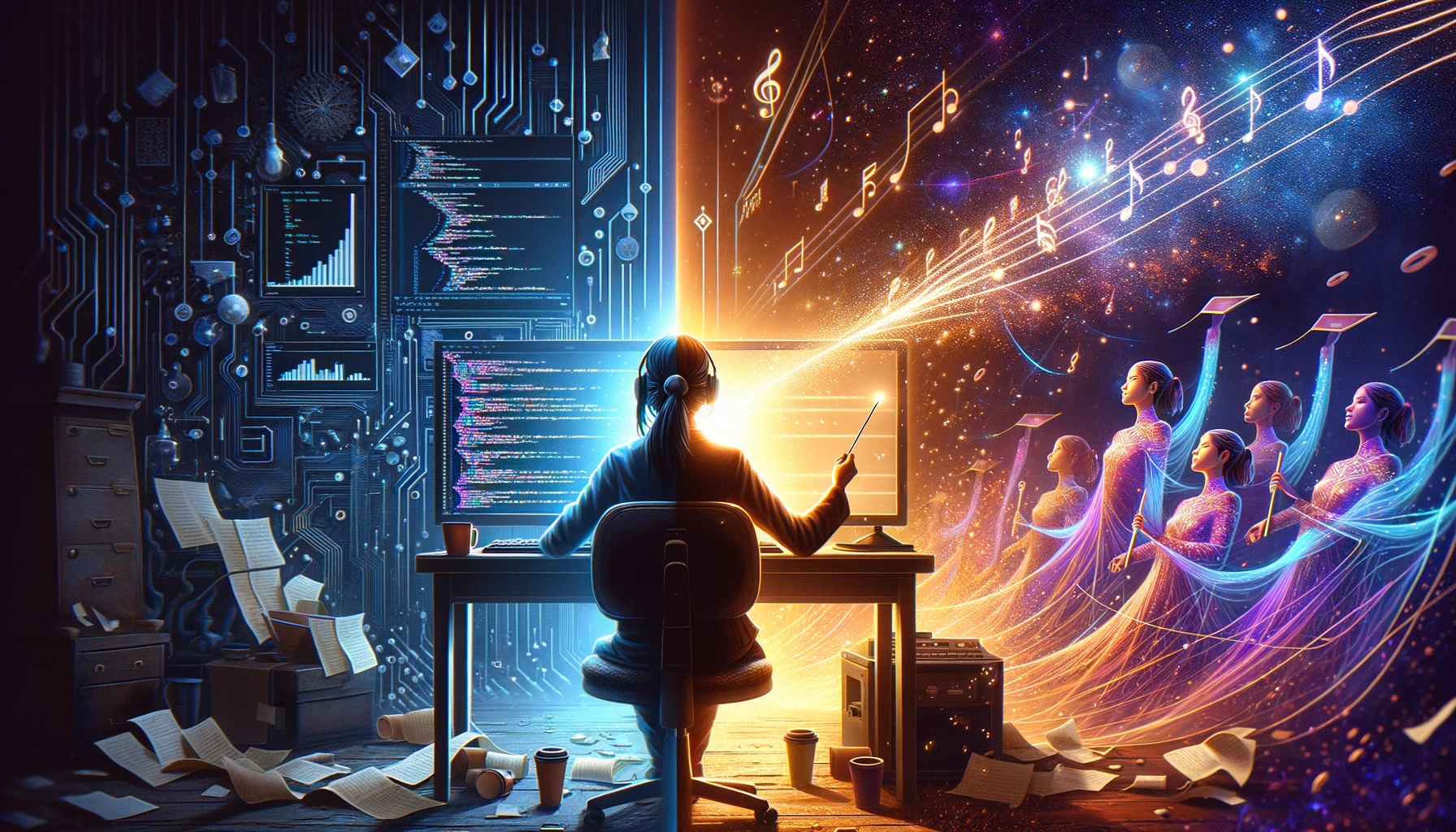
Hay una electricidad palpable en el mundo del desarrollo de software ahora mismo. Durante años, la conversación ha estado dominada por nuevos frameworks, servicios cloud y pipelines CI/CD. Pero hoy, el ruido es diferente.
Se trata de un cambio fundamental en cómo creamos, impulsado por la introducción de agentes de IA en nuestros flujos de trabajo.
Para algunos, esto señala una amenaza existencial. Para otros, como un desarrollador veterano de 15 años con el que hablé recientemente, es lo más emocionante que le ha pasado al oficio en más de una década. Lo describió como una “pasión reavivada,” una sensación de que la alegría de construir ha vuelto, libre de la fricción que tan a menudo lleva al burnout.
Esta perspectiva no es solo ilusión. Es un vistazo a nuestro futuro.
Programar Siempre Fue un Medio para un Fin
Empecemos con una verdad fundamental que a menudo olvidamos entre la maleza de la sintaxis y el debugging:
En última instancia, programar—escribir código—siempre ha sido un medio para un fin.
El valor nunca estuvo en las líneas de código en sí, sino en el sistema funcional, elegante y robusto que creaban. Aprendimos a escribir comandos intrincados porque era la única forma de traducir nuestra visión en un producto funcional.
Los agentes de IA simplemente se están convirtiendo en los “mecanógrafos” más eficientes que el mundo ha conocido. Pueden:
- Generar código boilerplate en segundos
- Escribir algoritmos complejos bajo demanda
- Estructurar aplicaciones completas instantáneamente
Al automatizar el cómo, nos liberan para enfocarnos completamente en el qué y el por qué.
La Próxima Gran Abstracción
Esta no es la primera vez que nuestros roles han evolucionado. La ingeniería de software es una historia de abstracción:
La Evolución de la Complejidad
- Código máquina → Ensamblador
- Ensamblador → Lenguajes de alto nivel (C, Java, Python)
- Apps monolíticas → Microservicios → Funciones serverless
Cada paso eliminó una capa de trabajo tedioso, permitiéndonos construir sistemas más potentes y complejos.
Los agentes de IA son la siguiente, y posiblemente la más profunda, capa de abstracción. Son la biblioteca definitiva, el framework definitivo y la herramienta de productividad definitiva en uno.
El Ascenso del Director
Entonces, si no pasamos ocho horas al día escribiendo código, ¿en qué nos convertimos?
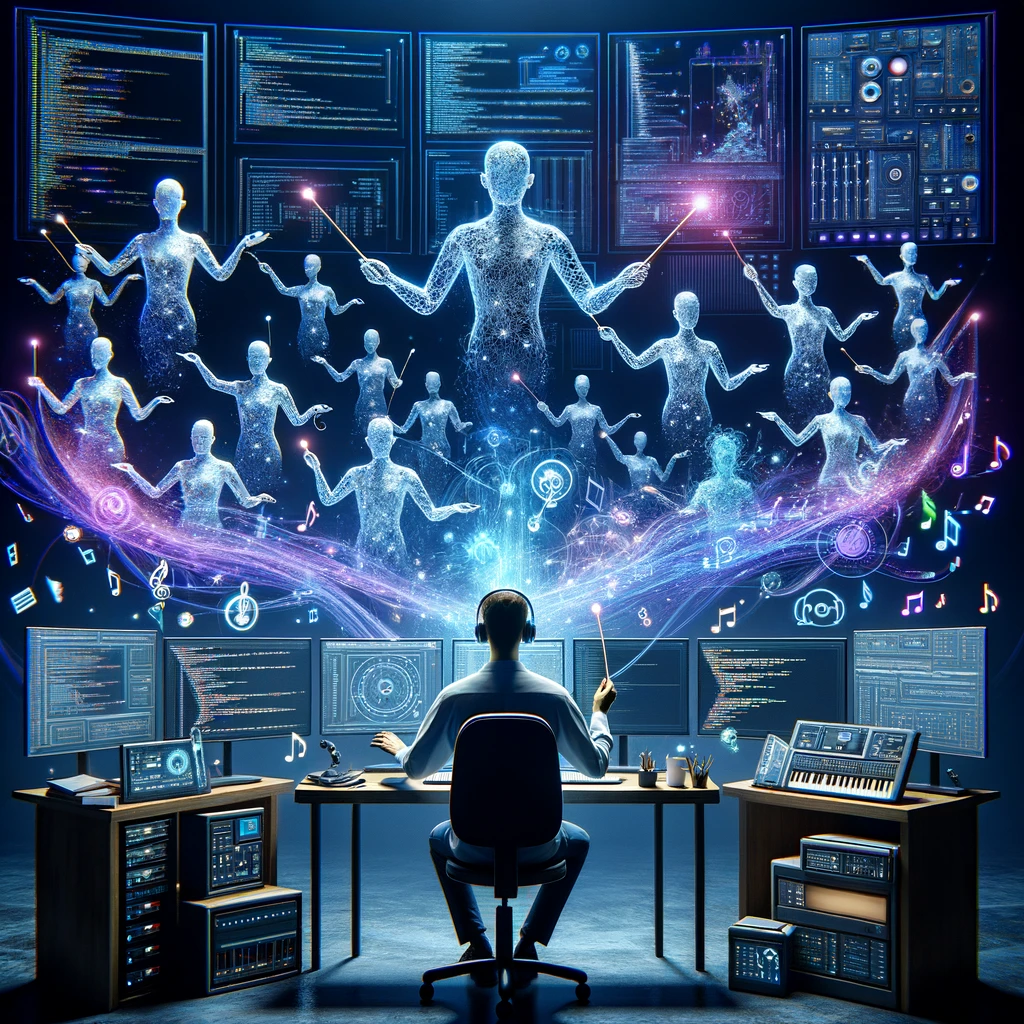 Un desarrollador dirigiendo agentes de IA como una orquesta sinfónica, visualizando el nuevo rol de orquestación de sistemas
Nos convertimos en directores.
Piensa en una orquesta sinfónica. El director no toca cada violín, cello y trompeta. En cambio:
- Tiene la visión completa de la música
- Guía el tempo y asegura la armonía
- Extrae la emoción de la pieza
- Arbitra la calidad y la cohesión
Este es el nuevo rol del desarrollador. Nuestro valor pasa de tocar las notas individuales (escribir líneas de código) a componer la sinfonía (diseñar el sistema).
Las Nuevas Habilidades Esenciales
A medida que el valor de la habilidad de codificación pura se estabiliza, un nuevo conjunto de habilidades pasa al primer plano. El desarrollador experimentado del mañana será un maestro de:
🏗️ Arquitectura de Sistemas y Orquestación
¿Cómo encajan los diversos componentes generados por IA? ¿Cómo se comunican de forma segura y escalan efectivamente en producción?
🔍 Revisión Crítica y Curación de Calidad
¿Es el código del agente seguro? ¿Sigue las mejores prácticas? ¿Es elegante y mantenible, o solo un apaño funcional pero torpe? Esto requiere “gusto”—la intuición del desarrollador experimentado para una buena solución.
🧩 Descomposición de Problemas y Visión
La capacidad de tomar una necesidad de negocio vaga y descomponerla en un conjunto claro y bien definido de requisitos que un agente pueda entender y ejecutar.
💬 Creación de Prompts y Especificación de Intención
Comunicar nuestra visión a una IA con precisión es una habilidad en sí misma. Es la nueva interfaz humano-computador.
La Alegría de Crear, Redescubierta
La consecuencia más poderosa de este cambio es la eliminación de la fricción. Las partes tediosas y que destrozan el alma del trabajo se están desvaneciendo:
- ❌ Luchar con gestores de paquetes
- ❌ Escribir tests unitarios repetitivos
- ❌ Buscar puntos y comas perdidos
Lo que queda es la pura e inalterada alegría de crear.
El ciclo de idea a prototipo funcional ahora se mide en minutos, no semanas. Esta velocidad permite un nivel de experimentación y creatividad que antes era inimaginable.
No es de extrañar que los desarrolladores que han pasado años en las trincheras sientan una sensación renovada de emoción. Estamos siendo liberados de lo mundano para enfocarnos en lo magnífico.
El futuro no se trata de ser reemplazados; se trata de ser elevados.
Los instrumentos han cambiado, pero la música está a punto de volverse mucho más interesante.